Locked out in Orlando can feel urgent and a little embarrassing. Practical steps and calm decisions make the difference when you are stuck outside a car, a home, or a business. Here is a concise guide with hands-on tips and local options so you can resolve an emergency quickly and safely; 24 hour locksmith Orlando sits mid-sentence so you can find the right help fast.
Recognize the two kinds of lockouts.
If your keys are nearby but inaccessible, the solution is often straightforward. If keys are broken, the lock is jammed, or the cylinder turns but the door will not latch, expect more work. A fast, realistic assessment saves money and helps you choose between DIY tries and professional help.
First things to do at a car lockout.
Try all doors, the trunk, and any rear hatch before assuming you are permanently locked out. If nothing opens and you have roadside coverage or car insurance that includes lockout assistance, call them next. If you need a locksmith, confirm they are bonded and insured and offer non-destructive entry whenever possible.
Low-risk DIY methods that sometimes work on modern cars.
If the door has a visible gap you can wedge, a long-reach tool can press the unlock button but requires practice. On newer cars, improvised probes often fail and can create expensive side-effects like sensor damage. If you are unsure, stop and call a pro rather than escalate the problem.
Small preparations that save big headaches when you lock yourself out of your apartment.
A small set of spare keys held by someone you trust removes the need for emergency drilling. Understanding your landlord or management firm's emergency procedures reduces time stuck outside. Install a keypad or smart lock if you are comfortable with small technology trade-offs.
When a house lockout is more than a lost key.
When metal fatigue or a worn profile causes key breakage, the cylinder holds the fragment and must be cleared. Frozen or painted-over bolts may budge with careful household steps, yet severe rust or a warped bolt needs a professional touch. Expect a pro to offer options from extraction and rekeying to full replacement, with clear costs for each choice.
Finding a trustworthy emergency locksmith in Orlando.
Look for licensed, insured professionals with consistent, local addresses and recent customer feedback. Clear pricing and a promised arrival window reduce the stress of waiting at night. Avoid locksmiths who demand full payment before showing up, and document the technician's name and vehicle plate when they arrive.
How to assess the technician on site before work begins.
A technician worth hiring discusses non-destructive approaches before suggesting a full lock swap. Drilling is sometimes necessary, but it should not be the default without explanation. Ask for a written receipt and model numbers if new hardware is installed so future service is easier.
Lockout resilience for small retailers and restaurants.
A small safe or lockbox with controlled access reduces emergency locksmith calls while protecting keys. A maintenance contract with an emergency clause often lowers individual call fees and speeds response. A pre-lock checklist that checks keys, alarms, and deadbolts can prevent a locked-out manager from returning to an empty storefront.
Payment, quotes, and stormy-night surcharges explained.
Unexpected surges in price are a red flag; the honest option is a simple breakdown of charges. Get a verbal estimate and ask whether the final invoice will exceed that estimate for parts or time. Consider the cost of door damage, lost time, and repeated service calls when evaluating a low initial quote.
Why locksmith toolkits look like mobile workshops.
A well-equipped locksmith brings both manual picks and powered tools to open locks quickly and non-destructively. A mobile technician frequently has popular cylinder types and matching finishes to install immediately. Professional training is the difference between a clean entry and a damaged lockset.
When to call the police instead of a locksmith.
If you suspect the lock is damaged by a break-in, call law enforcement before calling a locksmith. Do not attempt to confront an intruder; let trained officers handle the threat. Documenting the locksmith's work alongside the police report helps insurance claims.
Choosing lock hardware that reduces emergency calls.
Pick Grade 1 or 2 deadbolts from reputable brands for better tolerance to wear and easier rekeying. Weigh convenience against security needs before standardizing keys. If frequent lockouts are a pattern, add a coded deadbolt or keypad for controlled, keyless entry.
The trade-offs between changing the internal pins and swapping the whole lock.
Rekeying is faster and cheaper when the hardware is in good condition and the keys are the only issue. A worn, rusted, or broken lock should be replaced to avoid recurring failures and to improve longevity. Confirm that replacements fit your door's thickness and that strike plates are compatible to prevent future misalignment.
Handling batteries, network glitches, and owner access for smart deadbolts.
A user-friendly habit is swapping batteries every six to twelve months or when the device alerts you. Network issues should not prevent entry when you have a mechanical override or a stored code. When the owner forgets an administrative code, factory reset instructions vary by model and may erase user codes, so prepare for reconfiguration.
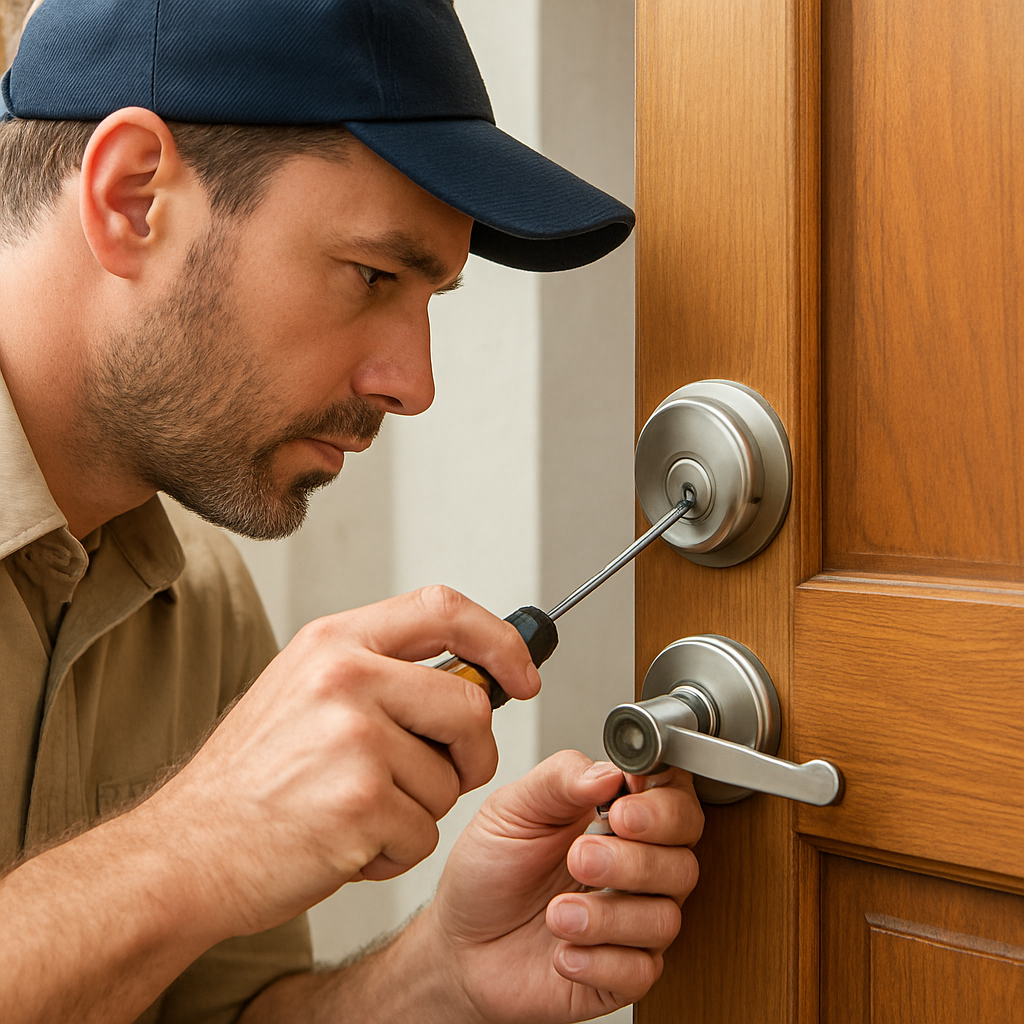
Quick steps to take to make any locksmith visit smoother.
Having the lock type, door material, and whether the key is broken helps the dispatcher assign the right tech and parts. Clear context helps the tech triage and route accordingly. Getting an ETA call reduces the time you wait outside and confirms the technician is en route.
How to document a lockout event and a locksmith job for insurance purposes.
Take timestamped photos of damage and keep the locksmith receipt with part numbers and labor breakdown. If you file a police report for forced entry, include your locksmith's invoice and any contractor recommendations to strengthen your case. A reliable provider will give a warranty and a point auto locksmith of contact for follow-up service and adjustments.
What a decade of locksmithing teaches about practical choices.
I once responded to a late-night car call where the owner had tried a coat-hanger and bent the inner panel, increasing repair costs. On an apartment rekey, tenants had not told management about multiple spare keys, complicating access for the incoming tenant. Practical upgrades are an upfront cost that often pays for itself through reduced losses and callouts.
Final practical tips and common-sense rules.
A little planning and one or two spares prevent the majority of emergency calls. Vet your locksmith ahead of time, keep the number of a trusted local service handy, and prefer contracts if you run a business. When you do call a locksmith, ask for a clear invoice, keep records, and consider modest hardware upgrades if locks show significant wear.